How to Understand Precision Medicine and Its Impact on Healthcare?
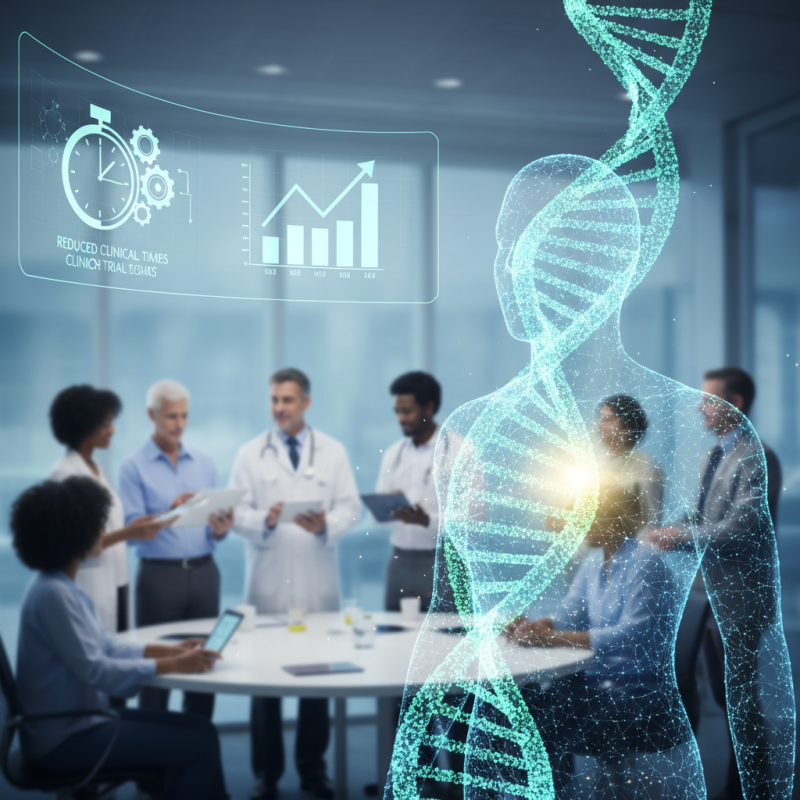
Precision medicine represents a transformative shift in healthcare. This approach tailors medical treatment to individual characteristics, genetics, and lifestyle. According to a report by the National Institutes of Health, precision medicine could reduce the time needed for clinical trials by up to 30%.
Dr. Eric Topol, a renowned expert in the field, emphasizes, "The future of medicine is about the patient." This highlights the centrality of personalized care in modern healthcare. However, despite its promise, challenges remain. Access to data and technology can create disparities in care.
Moreover, ethical issues surrounding genetic privacy raise concerns. Different populations must be represented in research to ensure equity. As we advance, understanding precision medicine is crucial. It opens opportunities but also reveals the need for thoughtful dialogue within the healthcare community.
Understanding Precision Medicine: Definition and Core Concepts
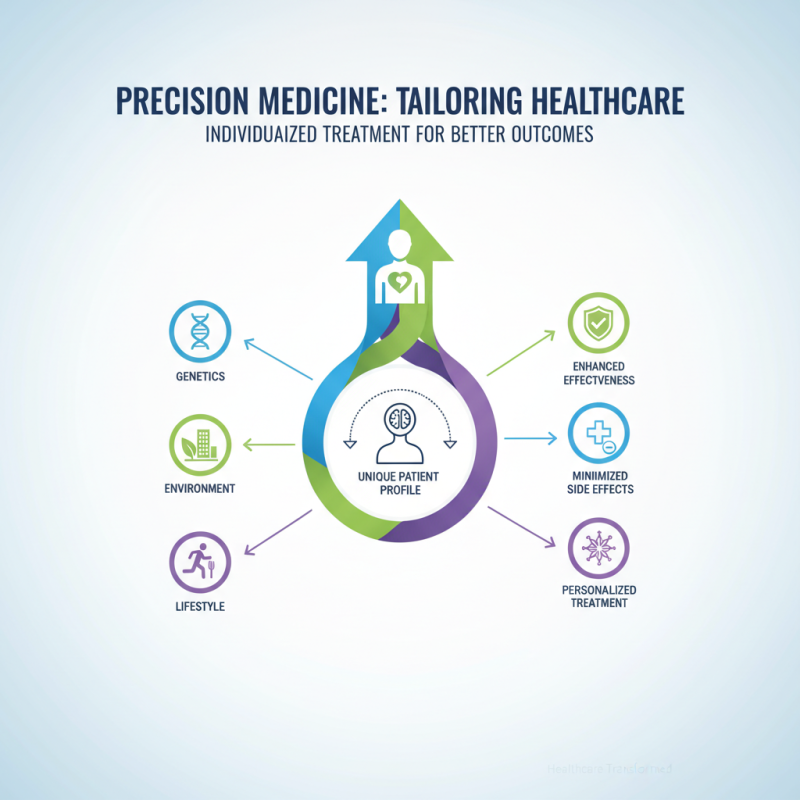
Precision medicine is a transformative approach in healthcare. It tailors treatment to individual differences. Genetics, environment, and lifestyle are considered. Each patient is unique, and so is their response to treatment. This personalization enhances effectiveness and minimizes side effects.
Core concepts of precision medicine include genomic sequencing and biomarker identification. These techniques help identify the best treatment options. However, the technology is costly and not universally accessible. There are ethical concerns as well. Is it fair that only some patients benefit from these advancements?
More research is needed to understand its full impact. Challenges exist in integrating precision medicine into everyday practice. Training healthcare professionals is crucial. There are gaps in knowledge and understanding within the medical community. We must consider these issues as we embrace this promising future.
Current Statistics: Effectiveness of Precision Medicine in Cancer Treatment
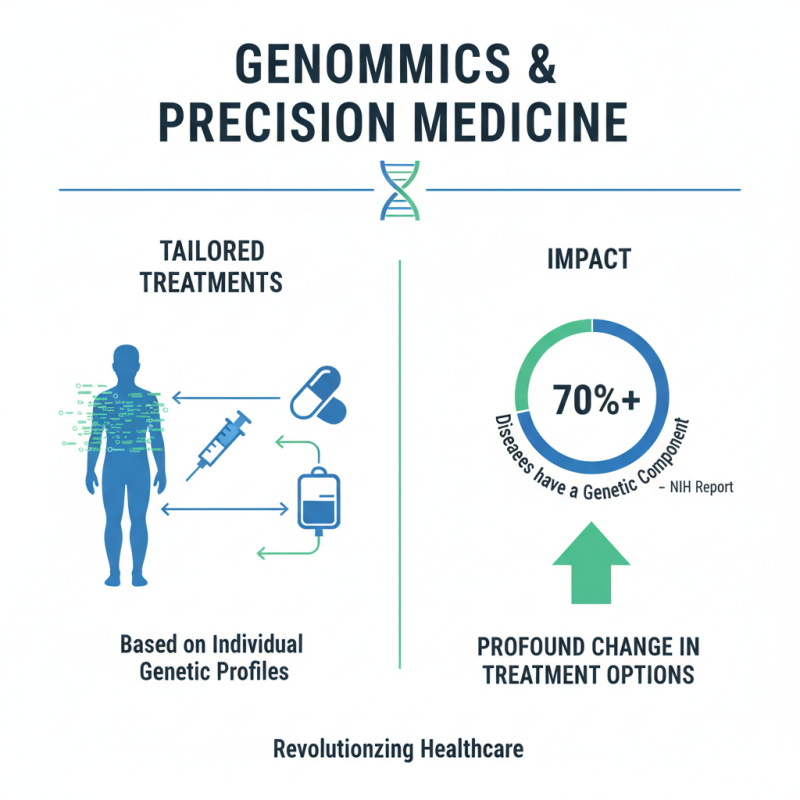
Precision medicine is reshaping cancer treatment. This approach tailors therapies based on individual genetic profiles. Recent studies show that up to 70% of patients benefit from targeted therapies. These therapies align with the unique characteristics of their tumors.
Current statistics highlight remarkable effectiveness. For instance, 44% of patients with specific genetic mutations respond positively to targeted treatments. However, challenges remain. Approximately 30% of patients experience minimal benefit, raising questions about access and equity.
Moreover, treatment responses can vary widely. While some patients achieve remission, others may see no change. This inconsistency illustrates the need for continuous research. Understanding these dynamics is essential for healthcare advancements.
Effectiveness of Precision Medicine in Cancer Treatment
This chart displays the effectiveness rates of precision medicine in various types of cancer treatment. As shown, Breast Cancer has the highest effectiveness rate at 90%, while Colorectal Cancer shows a rate of 70%. The data highlights the significant impact that personalized treatment approaches have had on patient outcomes in oncology.
Impact of Precision Medicine on Patient Outcomes and Healthcare Costs
Precision medicine is reshaping healthcare by tailoring treatment to individual patient needs. This approach relies heavily on genetic, environmental, and lifestyle factors. With more personalized care, patients often see improved outcomes. For example, targeted therapies can significantly reduce the side effects of treatments that were previously ineffective.
On the financial side, the impact on healthcare costs is multifaceted. While the initial investment in genomic testing and personalized medicine can be high, the long-term savings can be substantial. Patients might avoid unnecessary treatments, which can lead to lower overall costs. However, this model raises questions about accessibility and equity. Not everyone has the same access to advanced testing and treatments, creating a disparity.
Moreover, the effectiveness of precision medicine is still under scrutiny. Not all patients respond equally to personalized treatments. There is room for improvement in understanding which patients benefit most. The constant evolution of research means that healthcare professionals must stay informed. This will ensure that they can provide the best care possible while acknowledging the limitations of current practices.
Impact of Precision Medicine on Patient Outcomes and Healthcare Costs
| Dimension |
Description |
Impact on Patient Outcomes |
Impact on Healthcare Costs |
| Genomic Testing |
Analyzing DNA to inform treatment decisions |
Higher treatment success rates |
Reduced trial-and-error prescribing costs |
| Tailored Therapies |
Customized medications based on individual characteristics |
Improved management of chronic diseases |
Decrease in hospital readmissions |
| Big Data Analytics |
Using large datasets to identify trends and treatment responses |
Enhanced preventive care |
Cost savings in preventive interventions |
| Patient-Provider Communication |
Sharing genetic information with patients for better decision-making |
Increased patient engagement and satisfaction |
Potential reduction in unnecessary tests |
| Cost-Benefit Analysis |
Assessing the economic value of precision medicine interventions |
Demonstrated long-term health benefits |
Higher upfront cost, but lower overall treatment costs |
Future Trends: Emerging Technologies in Precision Medicine Applications
Emerging technologies are transforming precision medicine. These advances promise personalized treatments based on genetic and environmental factors. Machine learning algorithms analyze vast datasets, identifying patterns that reveal better treatment options. Wearable devices continuously track a patient’s health, offering real-time insights. This integration aims to improve outcomes.
Gene editing tools hold immense potential. They can modify genes and target specific diseases. However, ethical concerns arise. Can we predict unintended consequences? Patients may question the implications of altering their DNA. Furthermore, access to these technologies remains a challenge. Many regions lack the infrastructure for advanced therapies, widening health disparities.
Telemedicine is on the rise as well. Virtual consultations have made healthcare more accessible. Yet, the reliance on technology creates issues. Is it as effective as in-person visits? Patients may miss vital non-verbal cues. Balancing innovation with traditional care methods will require careful thought. As these technologies evolve, ongoing dialogue about their impact is crucial.