How to Understand and Utilize Embryonic Stem Cells in Research?
Embryonic stem cells (ESCs) remain a focal point in regenerative medicine and developmental biology. These unique cells have the potential to differentiate into any cell type in the body. According to a report by the National Institutes of Health, ESC research is instrumental in understanding severe diseases like diabetes and heart conditions. It provides a pathway for innovative treatments.
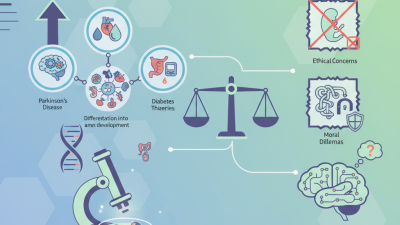
Dr. Sarah Thompson, a leading expert in stem cell research, emphasizes the significance of this field. "Embryonic stem cells are the cornerstone for tomorrow’s medical breakthroughs." However, the ethical concerns surrounding their use cannot be overlooked. While the scientific potential is immense, public sentiment often challenges the research environment.
Research efforts must balance innovation with ethical considerations. There are successes, yet hurdles remain in gaining broad acceptance. The complexities of ESC applications highlight the need for a responsible approach. Investigating their promise is crucial, but so is addressing the societal implications they carry. As the field evolves, it invites reflection on how best to harness this powerful tool responsibly.
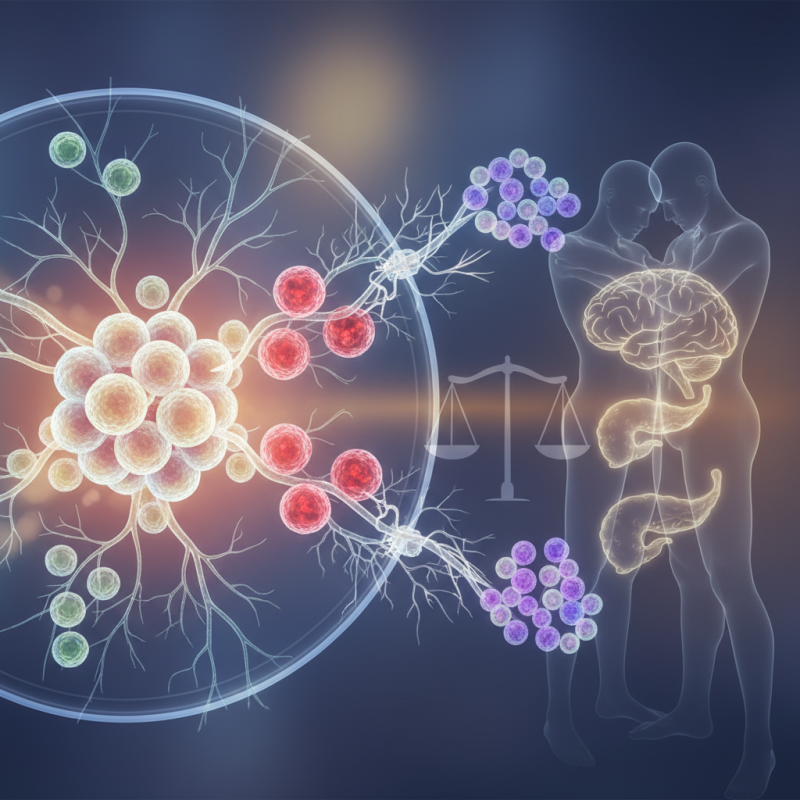
Overview of Embryonic Stem Cells and Their Properties
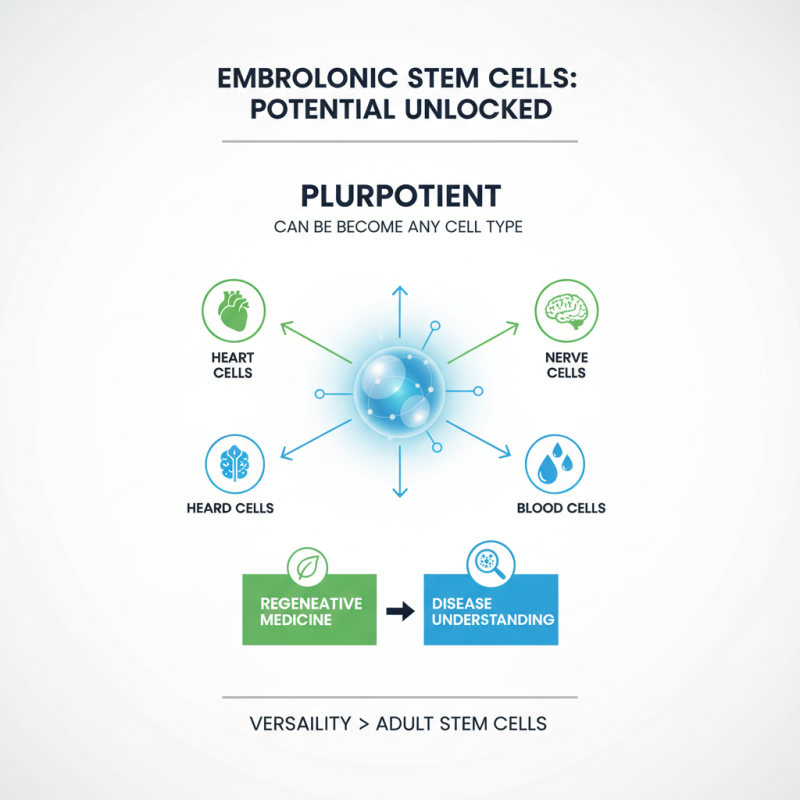
Embryonic stem cells (ESCs) are remarkable for their potential in regenerative medicine and developmental biology. These cells are pluripotent, meaning they can differentiate into nearly any cell type. This property opens doors for understanding complex diseases and developing novel therapies. Studies show that ESCs can become heart, nerve, or blood cells. This versatility is unmatched by adult stem cells.
However, working with ESCs poses challenges. Their ability to divide indefinitely can lead to uncontrolled growth. This risk of tumor formation is a major concern in therapeutic applications. A report from the National Institutes of Health highlights that approximately 10% of derived ESC lines show such issues. Scientists must address these risks through careful manipulation and monitoring.
The ethical implications surrounding ESC research cannot be ignored. Many argue that using human embryos is controversial. It raises questions about the balance between potential benefits and moral considerations. In 2019, a survey showed that 40% of the population remains opposed to embryonic research based on ethical grounds. Therefore, while the properties of ESCs hold immense promise, the research landscape is complex and fraught with ethical dilemmas.
Historical Background and Development of Embryonic Stem Cell Research
The journey of embryonic stem cell research began in the early 1980s. Scientists discovered that these cells can develop into any type of cell in the body. This potential sparked high hopes for medical breakthroughs. However, ethical concerns quickly emerged. The use of human embryos raised significant moral questions. Researchers had to navigate complex regulations to ensure ethical compliance.
Embryonic stem cells hold immense promise for regenerative medicine. They have the ability to repair damaged tissues or organs. However, the path forward is not without obstacles. Many studies face public scrutiny. Additionally, funding for such research often fluctuates. Scientists must remain resilient and adaptable.
Tips for those interested in this field:
- Stay informed about the latest research developments.
- Participate in discussions to understand different perspectives.
- Ethical considerations are crucial.
- Engage with diverse viewpoints to enhance your understanding.
- Embrace the complexities of this research—it's a moving target, and each step comes with its own set of challenges.
Methods for Isolating and Culturing Embryonic Stem Cells
Isolating and culturing embryonic stem cells (ESCs) is a crucial step in stem cell research. These cells have the potential to develop into any cell type, making them invaluable for regenerative medicine. Successful isolation typically involves the use of pre-implantation embryos, often from mouse models, due to their high availability in research settings. According to a 2022 report by the International Society for Stem Cell Research, around 80% of laboratories utilize mouse ESCs for initial studies.
Culturing ESCs requires precision. They thrive in a controlled environment with specific growth factors. A common method involves using feeder layers, which provide essential nutrients. These cells can also be cultured in a serum-free medium. Research indicates that maintaining a high-quality culture environment is essential. Scientists must monitor cell morphology and growth rates consistently. Failure to do so can lead to differentiation or cell death, which affects the validity of experiments.
Despite the advances, challenges persist. Variability in culture techniques often leads to inconsistent results. In a recent analysis, almost 40% of studies reported difficulties replicating ESC cultures, raising concerns about reproducibility. Researchers are continuously refining methodologies, seeking to optimize conditions. This ongoing evolution highlights the need for careful evaluation and protocol adjustments as science progresses.
How to Understand and Utilize Embryonic Stem Cells in Research? - Methods for Isolating and Culturing Embryonic Stem Cells
| Dimensional Category |
Details |
| Source of Embryonic Stem Cells |
Blastocyst stage embryos |
| Isolation Method |
Mechanical disaggregation |
| Culturing Conditions |
Feeder layer with ECM components |
| Culture Medium |
DMEM/F-12 with growth factors |
| Passaging Technique |
Trypsinization or enzyme-based dissociation |
| Differentiation Potential |
Ability to differentiate into any cell type |
| Key Applications |
Regenerative medicine, drug testing, disease modeling |
Applications of Embryonic Stem Cells in Regenerative Medicine
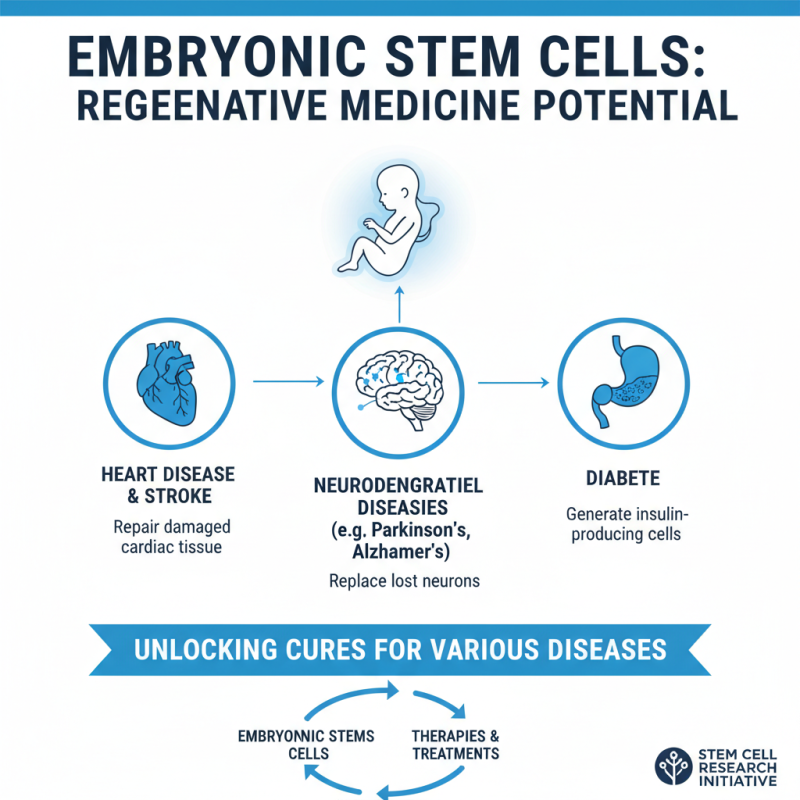
Embryonic stem cells (ESCs) hold significant potential in regenerative medicine. These cells can develop into any cell type in the body. This unique ability makes them valuable for treating various diseases. Researchers explore how to harness their full potential for therapies.
One exciting application is in tissue repair. For instance, scientists are investigating the use of ESCs to regenerate heart muscle after damage. Heart disease is a leading cause of death worldwide. Repairing damaged tissue could save many lives. Yet, there are challenges. Ethical concerns persist around the use of embryonic tissues. Moreover, the risk of tumor formation remains a pressing issue. Scientists must find ways to ensure safety and efficacy.
Another application involves neurological diseases. Conditions like Parkinson's disease could benefit from ESCs. These cells may replace damaged neurons and restore function. However, clinical applications are still in early stages. Researchers face hurdles in controlling how these cells differentiate. Effective protocols are essential but still being developed. The road ahead is filled with potential, yet caution is necessary.
Ethical Considerations and Regulations Surrounding Stem Cell Research
Embryonic stem cell research is a promising field. However, ethical considerations often overshadow scientific advancements. The debate focuses on the source of these cells and the moral implications. According to the International Society for Stem Cell Research, over 80% of the public has concerns about embryo usage. As researchers navigate these waters, understanding regulations is crucial.
Many countries have specific laws governing stem cell research. In some regions, obtaining embryos for research purposes is strictly limited. These regulations aim to protect human dignity while fostering scientific growth. Researchers must balance innovation with ethical responsibility. The challenge is immense. Public perception swings wildly based on media portrayals and scientific outcomes.
Tips: Engage with community viewpoints. This can guide ethically sound practices. Transparency in research can alleviate public concerns. Also, consistent dialogue with ethicists improves compliance. Emphasize the importance of educational outreach to build trust. The evolving landscape of stem cell research demands flexibility and reflection on ethical boundaries.