2026 How to Optimize Your Supply Chain for Cell and Gene Therapy?
In the rapidly evolving field of cell and gene therapy, an efficient supply chain is essential. The unique challenges of these therapies require a nuanced approach. Manufacturers must streamline processes while ensuring quality. The complexity of biological materials adds to this challenge. Careful management can lead to substantial improvements.
Cell and gene therapies often involve sensitive components. These require precise handling and transport. Any delay can impact treatment outcomes. Thus, optimizing logistics is not just beneficial; it is crucial. Companies must address issues like inventory management and cold chain logistics. These factors are vital for maintaining product integrity.
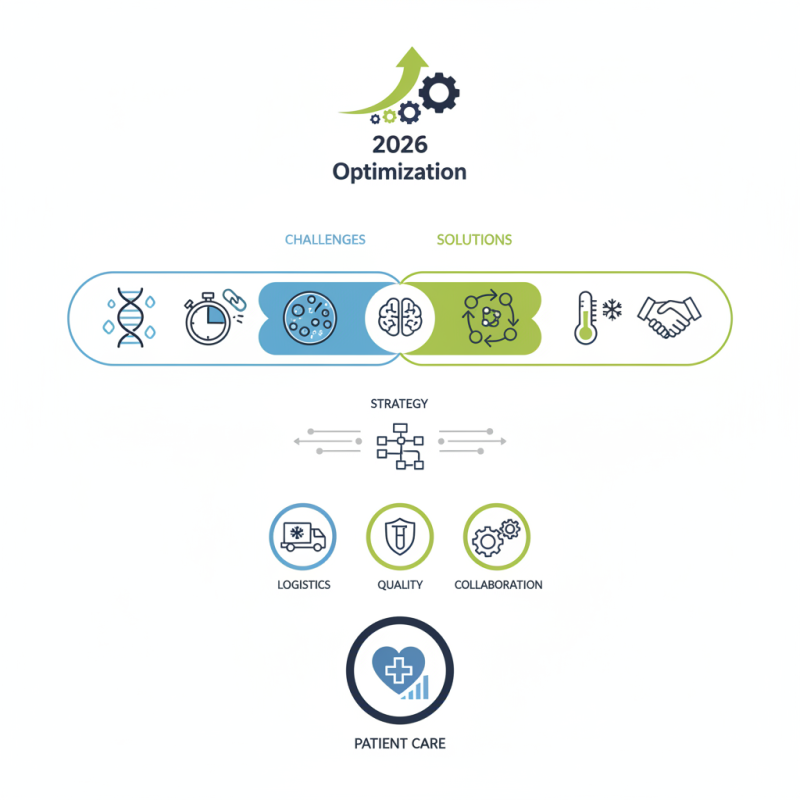
Additionally, collaboration plays a key role. Engaging with suppliers and partners ensures better communication. However, the process is not without its flaws. Companies may face unexpected hurdles. Reflections on past experiences can guide future strategies. Adapting to these changes will pave the way for successful therapies. Ultimately, an optimized supply chain can enhance patient care and outcomes in cell and gene therapy.
Understanding the Unique Challenges of Cell and Gene Therapy Supply Chains
Cell and gene therapy supply chains face unique challenges. The complexity of these therapies requires precise management. According to a report by Frost & Sullivan, over 60% of cell and gene therapy trials experience delays due to supply chain issues. This statistic underscores the urgency for optimization.
Therapies often involve perishable materials. For instance, autologous cells must be transported and processed quickly to maintain viability. This demands a well-coordinated logistics network. Additionally, regulatory compliance adds layers of complexity. As noted by the USP, nearly 70% of gene therapy products encounter regulatory challenges in their supply chains. Delays here can be detrimental, impacting patient access.
Collaboration among stakeholders is essential. A study by Deloitte reveals that partnerships can reduce lead times by 30%. However, the industry often struggles with transparency. Many organizations operate in silos, hindering information flow. This can lead to inefficiencies and inaccuracies in inventory management. Adapting to these challenges requires continual reflection and a willingness to embrace change in the supply chain processes.
2026 How to Optimize Your Supply Chain for Cell and Gene Therapy?
| Challenge |
Description |
Potential Solutions |
Impact on Supply Chain |
| Regulatory Compliance |
Navigating complex regulations for therapies |
Collaborate with regulatory bodies, maintain updated knowledge |
Ensures compliance, reduces risk of delays |
| Cold Chain Management |
Maintaining temperature-sensitive products |
Invest in advanced monitoring technologies |
Reduces product degradation during transport |
| Inventory Management |
Balancing supply and demand for therapies |
Implement data analytics for demand forecasting |
Improves service levels, reduces waste |
| Supplier Reliability |
Dependence on specialized suppliers |
Establish strategic partnerships, diversify suppliers |
Enhances stability of supply sources |
| Technological Integration |
Integrating advanced tech in supply chain |
Adopt AI and Blockchain technologies |
Improves transparency and efficiency |
Key Components of an Effective Supply Chain for Biopharmaceuticals
Cell and gene therapies are revolutionizing the biopharmaceutical landscape. Effective supply chain management is crucial for these complex treatments. According to a report by Deloitte, 70% of biopharmaceutical companies face difficulties in managing their supply chains due to the unique challenges posed by these therapies.
Key components of an effective supply chain include cold chain logistics, real-time tracking, and collaboration with suppliers. Cold chain logistics is vital since many therapies require strict temperature control. The Global Cold Chain Alliance states that a breakdown in temperature can reduce the efficacy of a product. Real-time tracking ensures that stakeholders can monitor shipments and respond to delays or issues immediately.
Collaboration among all parties—manufacturers, hospitals, and pharmacies—is essential. Miscommunication can lead to significant delays, affecting patient care. While companies invest heavily in supply chain technology, many struggle with integration. The challenge lies in harmonizing multiple data sources, which creates transparency issues. Addressing these gaps can enhance efficiency and reliability in the supply chain, ultimately benefiting patients.
Strategies for Enhancing Collaboration Between Stakeholders
Collaboration among stakeholders is crucial in the supply chain for cell and gene therapy. Different players, such as manufacturers, clinics, and regulatory agencies, often have differing priorities. This misalignment can slow processes and increase costs. To enhance collaboration, open channels of communication are essential. Regular meetings can help stakeholders share updates and challenges.
Moreover, adopting technology can bridge gaps in communication. Tools that facilitate data sharing can foster transparency. When parties stay informed, they can make quicker, more effective decisions. Establishing shared goals aligns interests, creating a cooperative atmosphere. However, building trust takes time and effort.
Stakeholders also need to be aware of potential conflicts. These conflicts may emerge due to differing expectations or resource limitations. Engaging in dialogue can address issues before they escalate. It’s important to reflect on past challenges and learn from them. A culture of respect and understanding will ultimately lead to better outcomes for patient care.
Leveraging Technology and Data Analytics in Supply Chain Optimization
The field of cell and gene therapy is growing rapidly, and optimizing the supply chain is critical. The complexity of these therapies requires precision in logistics and inventory management. According to a recent report by BioSupply Management Alliance, 80% of leaders in the biopharma industry view supply chain optimization as a top priority. Leveraging technology and data analytics can significantly enhance efficiency.
Data analytics plays a vital role in forecasting demand. By utilizing machine learning, companies can predict patient needs more accurately. The use of distributed ledger technology improves traceability and accountability in the supply chain. Effective tracking ensures compliance with regulatory requirements and fosters confidence among stakeholders.
**Tip:** Implement a data-driven approach to identify bottlenecks along the supply chain. Regularly assess your data for emerging trends.
Integrating these technologies is not without its challenges. Organizations often must juggle multiple platforms and integrate systems. According to McKinsey, only 30% of biotech firms feel fully prepared for rapid innovation. Balancing innovation with reliability is essential for long-term success.
**Tip:** Encourage cross-departmental collaboration to foster a culture of continuous improvement. This can drive efficiency and innovation effectively.
Supply Chain Optimization for Cell and Gene Therapy
The following chart illustrates the key factors influencing supply chain optimization in the cell and gene therapy sector. The data shows the percentage impact of various elements on efficiency and effectiveness.
Regulatory Considerations in Supply Chain Management for Therapies
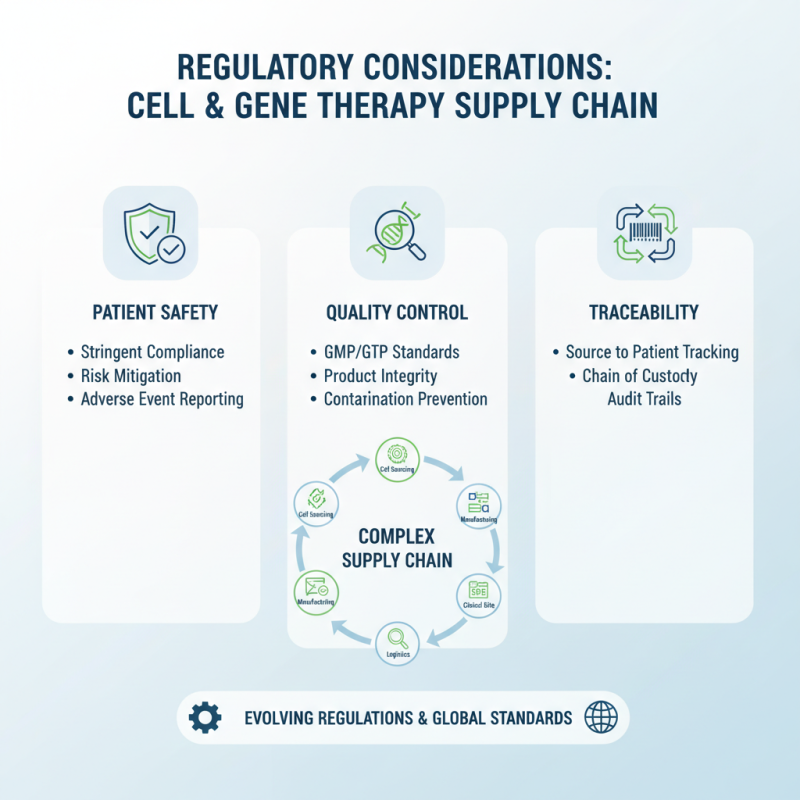
Supply chain management for cell and gene therapies involves unique regulatory considerations. These therapies require stringent compliance with evolving regulations. The intricate nature of gene modifications and cell sourcing introduces complexity. Regulatory bodies prioritize patient safety, quality control, and traceability throughout the supply chain.
Companies must ensure that all materials meet quality standards. This involves rigorous testing and validation protocols. Delays in approvals can disrupt timelines and increase costs. Companies need a proactive approach to regulatory changes, which can be frequent and unexpected. It’s vital to maintain open communication with regulatory authorities to navigate these challenges.
Documentation plays a crucial role in compliance. Clear records of sourcing, manufacturing, and distribution are essential. Missteps in documentation can lead to significant penalties. Organizations often struggle with implementing robust tracking systems. Investing time and resources into these systems is essential but can be overwhelming. A balanced strategy between compliance and efficiency is essential for overall success.