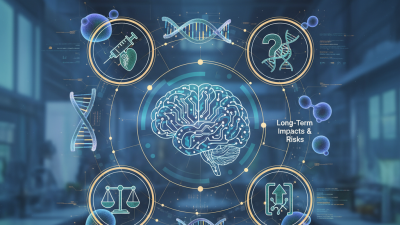
How to Navigate the Future of Cell and Gene Therapy Developments?
The future of cell and gene therapy developments is a complex landscape. Innovations promise new treatments for previously incurable diseases. However, navigating this field requires a nuanced understanding of both its potential and its challenges.
Cell and gene therapy has gained traction in recent years, showing great promise in oncology, rare diseases, and genetic disorders. Despite significant advancements, the technology still has hurdles to overcome. Ethical considerations often complicate the acceptance of new therapies. Stakeholders must address these issues to foster trust and ensure widespread access.
The therapeutic landscape will continue to evolve. Emerging technologies may enhance effectiveness and affordability. Industry collaborations will be essential for overcoming these challenges. Continuous reflection on both successes and failures is crucial. The path forward will require diligence, transparency, and a commitment to patient safety as we navigate the intricate world of cell and gene therapies.
Understanding Cell and Gene Therapy: Key Concepts and Definitions
Cell and gene therapy represents a transformative approach in medicine. It aims to treat or prevent diseases by altering genetic material. Key concepts include genes, which are units of heredity, and cells, the basic building blocks of life. These therapies can correct genetic defects, regenerate damaged tissues, and even create immunity against certain diseases. According to a 2023 industry report, the global gene therapy market is projected to reach $6.32 billion by 2025. This rapid growth underscores the potential for innovative treatments.
Tips: Always stay updated on clinical trials. They offer a glimpse into the latest advancements and safety data.
Cell and gene therapies also come with complexities. Manufacturing these therapies can be challenging. For instance, maintaining cell viability during the transport process is critical. The FDA has approved several therapies, but not all. A recent survey found that 30% of clinicians are unsure about the regulatory landscape. Understanding these aspects is essential for patients and providers alike.
Tips: Engage with healthcare professionals. Their insights can guide decisions about available therapies.
Cell and Gene Therapy Development Trends (2020-2023)
This bar chart illustrates the increase in the number of clinical trials for cell and gene therapy from 2020 to 2023. There has been a significant upward trend, indicating growing interest and investment in this field.
Current Trends in Cell and Gene Therapy Developments and Innovations
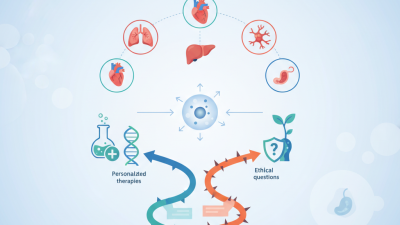
The landscape of cell and gene therapy is rapidly evolving. Innovations are being driven by advancements in technology and a deeper understanding of human genetics. Current trends show a surge in personalized therapies. These treatments aim to tailor solutions to individual patients' genetic profiles. However, this approach raises questions about accessibility and equity in healthcare.
One of the most exciting trends is the development of base editing techniques. These techniques allow for precise modifications of DNA. Scientists can correct genetic mutations without creating double-strand breaks, reducing potential side effects. However, ethical concerns persist. Who decides which genes should be edited? And what are the long-term implications?
Tips for keeping up with these developments include staying informed through reputable journals and attending conferences. Engage with experts in the field. Participate in forums that discuss emerging research. Build a network with peers who share your interests. Continuous learning is key to understanding the intricacies of this dynamic field. It might feel overwhelming at times, but staying connected can significantly enhance your knowledge and involvement.
How to Navigate the Future of Cell and Gene Therapy Developments?
| Aspect |
Current Trends |
Innovations |
Future Outlook |
| Regulatory Advances |
Streamlined approval processes |
Adaptive trial designs |
Global harmonization efforts |
| Investment Trends |
Increased venture capital flow |
Public-private partnerships |
Diversification of funding sources |
| Technological Innovations |
CRISPR and gene editing advancements |
Next-generation sequencing |
AI in drug development |
| Market Trends |
Increased number of clinical trials |
Cell therapy applications |
Expansion into rare diseases |
| Patient Access |
Focus on cost-effectiveness |
Telehealth integration |
Better patient education resources |
Regulatory Challenges in Cell and Gene Therapy Approvals
Regulatory challenges in cell and gene therapy are significant and complex. The rapid pace of innovation often outstrips existing guidelines. Regulators must ensure safety while not stifling progress. This balancing act is crucial for public trust. Communication between scientists and regulatory bodies is essential.
Delays in approval processes can be frustrating. Therapies that show promise in trials may take years to reach patients. The evaluation criteria can be stringent, sometimes questioning efficacy despite positive outcomes. A transparent approach to regulatory standards is needed. Engaging the scientific community can help inform better policies.
As technological advances unfold, flexibility in regulations is vital. Adaptive pathways might provide a solution. These allow for iterative learning as products make their way to the market. It’s a challenging landscape that demands a commitment to ethical standards and patient safety. Regular updates to guidelines will help keep pace with innovation.
Navigating Ethical Considerations in Gene Editing Technologies
Gene editing technologies have gained significant attention. They promise to change the landscape of healthcare but come with ethical dilemmas. According to a report by the National Academy of Sciences, public trust is one of the pillars for advancing gene therapies. Without it, the future trajectory of these technologies could be hindered.
The ethical landscape presents complex questions. For instance, the potential for "designer babies" raises concerns. A survey conducted by the Pew Research Center found that 72% of Americans believe gene editing should be carefully regulated. Attitudes vary widely among demographics, highlighting the need for ongoing dialogue. Addressing these issues requires transparency and public engagement.
Moreover, related research indicates that 65% of clinical trials face recruitment challenges. These delays often stem from ethical concerns and public fear. Addressing these fears could foster a more favorable climate for innovation. Balancing scientific advancement with ethical responsibility is a continual challenge. Understanding this balance will be critical for the future of gene therapy.
Future Directions: Promising Research and Potential Breakthroughs
Cell and gene therapy is quickly evolving. Researchers are exploring ways to use these therapies for various diseases. Promising developments include advances in CRISPR technology and viral vector improvements. These innovations offer hope for treating genetic disorders and cancer.
Despite these advancements, challenges remain. Delivery methods need refinement. Ensuring therapies reach the right cells is crucial. Safety issues also require attention. Some patients face immune responses that can complicate treatment. Therefore, ongoing research is essential to address these concerns.
Collaboration across disciplines is vital for progress. Geneticists, clinicians, and bioethicists must work together. They will navigate the complex landscape of therapy development. By sharing expertise, they can foster breakthroughs. The future of cell and gene therapy holds promise, but it requires careful thought and innovation.