What is IPSC Cell Lines and Their Role in Stem Cell Research?
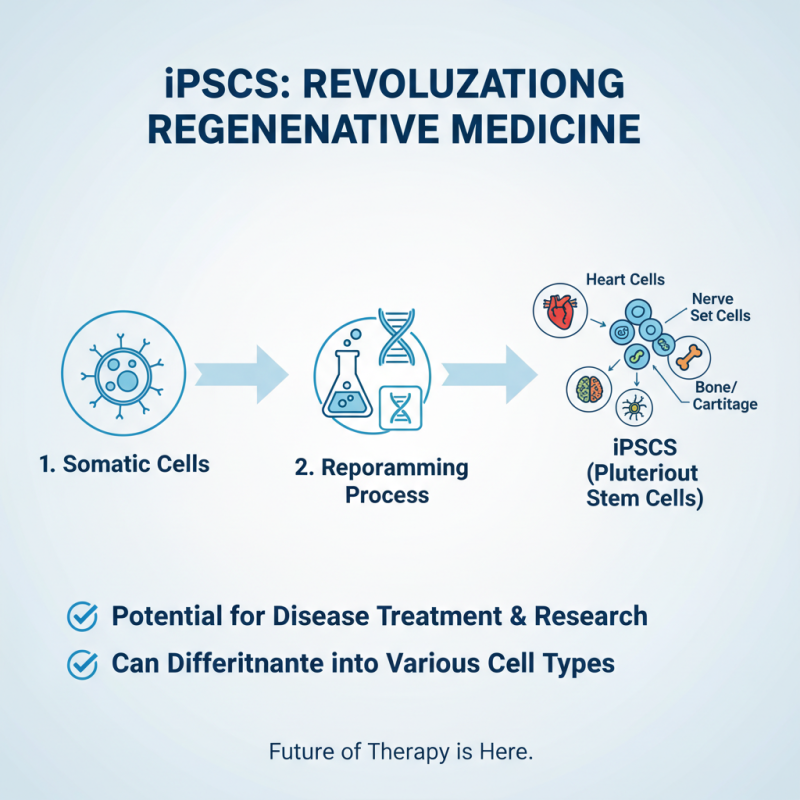
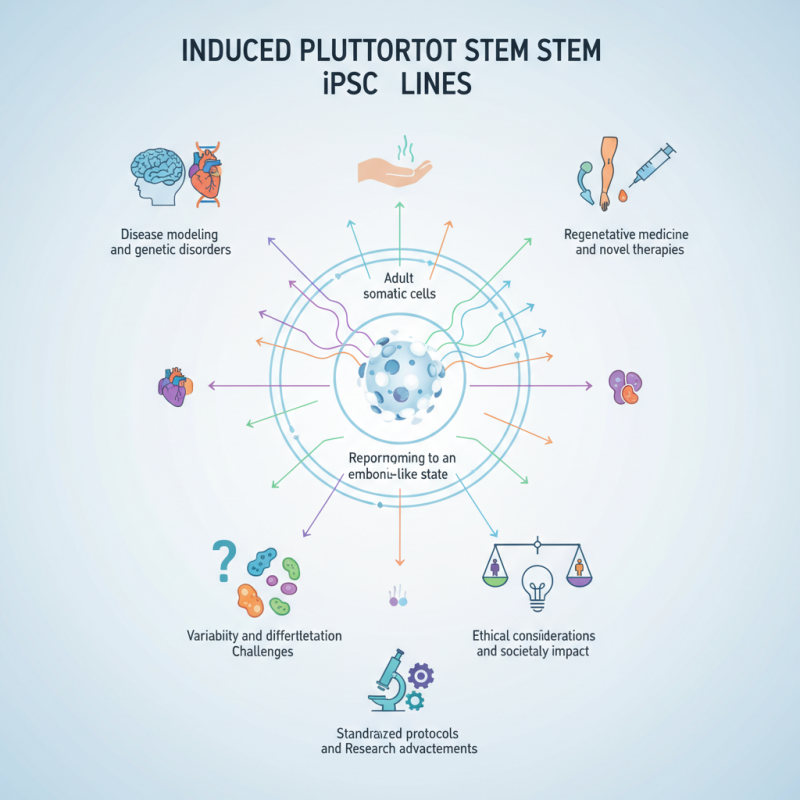
Induced pluripotent stem cell (iPSC) lines are pivotal in modern stem cell research. These cells have the remarkable ability to differentiate into any cell type. Scientists derive iPSC cell lines from adult somatic cells. This process reprograms them to an embryonic-like state, enabling groundbreaking research.
iPSC cell lines provide insights into disease modeling and regenerative medicine. They allow the study of genetic disorders in a patient-specific context. The versatility of iPSC cells empowers researchers to explore novel therapies. Nevertheless, challenges remain in differentiating these cells effectively. There can be variability in the quality of iPSC cell lines.
Moreover, ethical considerations continue to stir debate. The potential for misuse or misunderstanding of these technologies is a concern. As research advances, the importance of developing standardized protocols becomes crucial. There is a need for ongoing reflection on the implications of using iPSC cell lines in science and society.
Definition and Characteristics of IPSC Cell Lines
Induced Pluripotent Stem Cells (iPSCs) have transformed stem cell research. These cells are derived from adult somatic cells. They can differentiate into various cell types, similar to embryonic stem cells. iPSCs are essential for understanding diseases and developing therapies.
The characteristics of iPSC cell lines are striking. They exhibit self-renewal, meaning they can replicate indefinitely. According to a 2020 report by the International Society for Stem Cell Research, iPSCs hold promise for regenerative medicine and drug testing. Their ability to mimic the patient’s genetic background makes them invaluable in personalized medicine.
However, there are still challenges to overcome. Variability among cell lines can lead to inconsistent results in research. Many researchers face ethical concerns and technical limitations. For instance, reprogramming efficiency varies widely. Not all iPSCs retain their pluripotent qualities over time. This inconsistency raises questions about the reliability of findings. Understanding these limitations is vital for advancing iPSC applications. The journey of iPSCs is ongoing, requiring further exploration and refinement.
Development and Techniques for Generating IPSC Cell Lines
Induced pluripotent stem cells (iPSCs) represent a groundbreaking advance in stem cell research. They are derived from somatic cells through a process known as reprogramming. This technique often utilizes specific transcription factors to revert mature cells into a pluripotent state. Recent reports indicate that iPSCs can differentiate into any cell type, making them invaluable for regenerative medicine and disease modeling.
Generating iPSC lines involves several crucial methods. The use of Yamanaka factors—OCT4, SOX2, KLF4, and c-MYC—has transformed this field. However, the efficiency of reprogramming remains variable. Estimates suggest that only about 0.1% of somatic cells successfully become iPSCs. Challenges remain in ensuring that these cells are functionally equivalent to embryonic stem cells.
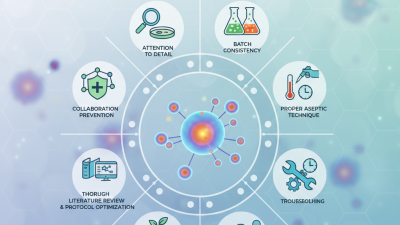
**Tips:** When generating iPSCs, monitor your reprogramming efficiency closely. Consider varying the culture conditions, which can profoundly affect outcomes. Always pay attention to potential genomic abnormalities in your iPSC lines. This is an ongoing concern in the field. The need for better techniques, like non-integrative methods, remains evident for the future of iPSC research.
What is IPSC Cell Lines and Their Role in Stem Cell Research? - Development and Techniques for Generating IPSC Cell Lines
| Cell Line Name |
Source of Cells |
Reprogramming Method |
Applications |
Notable Characteristics |
| iPSC-1 |
Fibroblast |
Sendai Virus |
Disease Modeling |
High pluripotency efficiency |
| iPSC-2 |
Blood Cells |
Reprogramming Factors |
Drug Testing |
Responsive to external stimuli |
| iPSC-3 |
Neural Progenitors |
Electroporation |
Cell Replacement Therapy |
Strong neural differentiation potential |
| iPSC-4 |
Skin Fibroblasts |
MicroRNA Introduction |
Tissue Engineering |
Enhanced survival rate |
Challenges and Future Directions in IPSC Research
Induced pluripotent stem cells (iPSCs) hold great potential for regenerative medicine. Yet, the path to harnessing their power is fraught with challenges. One critical issue is the variability in iPSC lines. Different lines can behave unpredictably. This inconsistency complicates experiments and clinical applications. Some iPSC lines exhibit genetic abnormalities, which raises concerns about their safety. Ensuring the stability and quality of these cells is imperative.
Another significant challenge is the differentiation process. Converting iPSCs into specific cell types is not straightforward. In many cases, the yields are low, and the cells may not function as expected. Researchers are still refining protocols to improve this process. Moreover, understanding the mechanisms that govern differentiation is crucial. New technologies, like CRISPR gene editing, could provide insights but also pose ethical dilemmas.
Future directions in iPSC research include creating more standardized protocols. Improved collaboration between researchers may lead to shared best practices. Additionally, advancements in bioreactor systems could enhance cell growth. Despite the hurdles, the enthusiasm for iPSC technology remains high. Researchers must navigate these challenges carefully as they pursue knowledge. Each obstacle presents an opportunity to innovate and reflect on current methodologies.
IPSC Cell Lines in Stem Cell Research: Challenges and Future Directions
Comparison of IPSC Cell Lines with Other Stem Cell Types
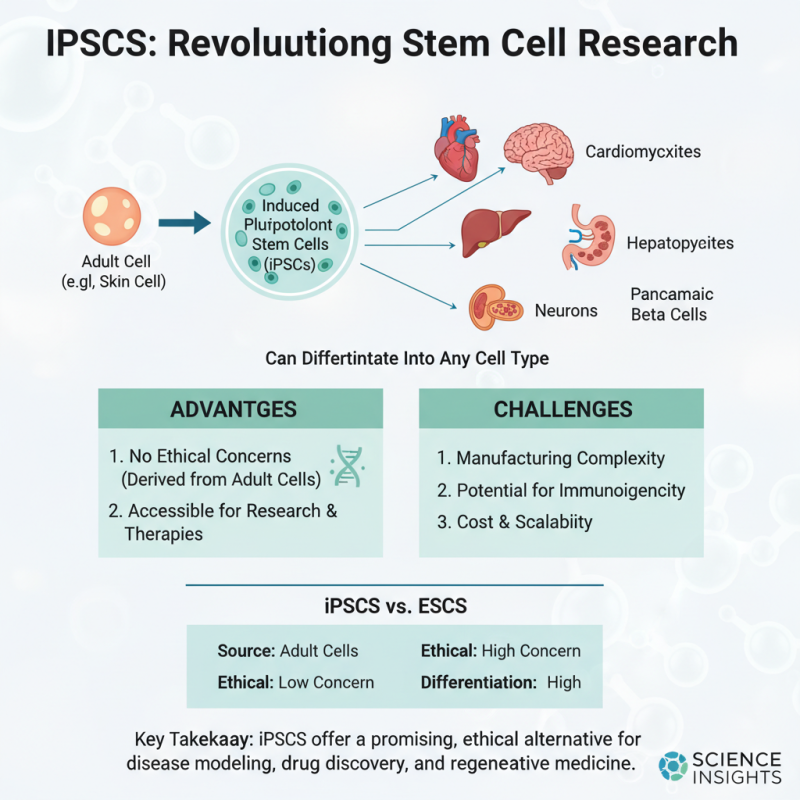
Induced pluripotent stem cells (iPSCs) have significantly transformed stem cell research. These cells can differentiate into any cell type. They offer a unique advantage over embryonic stem cells (ESCs). iPSCs are derived from adult cells, eliminating ethical concerns. This makes them accessible for various studies. However, this accessibility comes with challenges.
When comparing iPSCs to other stem cell types, one must consider the variations in differentiation potential. Unlike ESCs, which are inherently pluripotent, iPSCs require specific conditions for optimal use. Their reprogramming process is complex, sometimes leading to genetic abnormalities. Researchers often find it difficult to maintain consistent quality across different iPSC lines.
Another aspect is the comparison with adult stem cells. Adult stem cells are limited in their differentiation capabilities. They usually generate cell types of the specific tissue they originate from. In contrast, iPSCs show broader potential. Yet, the maturity of iPSC-derived cells can sometimes be insufficient for therapeutic applications. This raises important questions about safety and effectiveness in clinical settings.